

Tackling Vaginal Atrophy and Pelvic Floor Dysfunction with BHRT and EMSELLA: A Comprehensive Approach
When it comes to women’s health, particularly during and after menopause, two common yet often misunderstood conditions are vaginal atrophy and pelvic floor dysfunction. These conditions can significantly impact a woman’s quality of life, but the good news is that women’s bioidentical hormone replacement therapy (BHRT) offers a promising solution. Let’s explore how BHRT can be instrumental in preventing vaginal atrophy and pelvic floor dysfunction, ensuring women maintain optimal health and well-being.

Understanding Vaginal Atrophy
Vaginal atrophy, also known as genitourinary syndrome of menopause (GSM), is a condition that affects many women as they transition through menopause. It results from a decline in estrogen levels, leading to thinning, drying, and inflammation of the vaginal walls. Symptoms include vaginal dryness, itching, burning, and painful intercourse, which can severely affect sexual health and intimacy.
Estrogen plays a crucial role in maintaining the elasticity, thickness, and lubrication of the vaginal tissues. As estrogen levels drop, these tissues become more fragile and less lubricated, leading to the discomfort and complications associated with vaginal atrophy. Combined with pelvic floor dysfunction, vaginal atrophy can lead to chronic UTIs and sexual pain. Addressing this condition is vital not only for sexual health but also for the overall quality of life.
The Role of the pelvic floor
The pelvic floor is a group of muscles that support the bladder, uterus, and rectum. These muscles play a critical role in urinary and fecal continence and pelvic organ function. Pelvic floor dysfunction can manifest as urinary incontinence, pelvic organ prolapse, and chronic pelvic pain, significantly impacting daily activities and overall well-being.
Pelvic floor dysfunction can result from various factors, including childbirth, aging, and hormonal changes. The weakening of pelvic floor muscles due to declining estrogen levels can exacerbate these issues, making it essential to address hormonal imbalances as part of a comprehensive treatment plan.
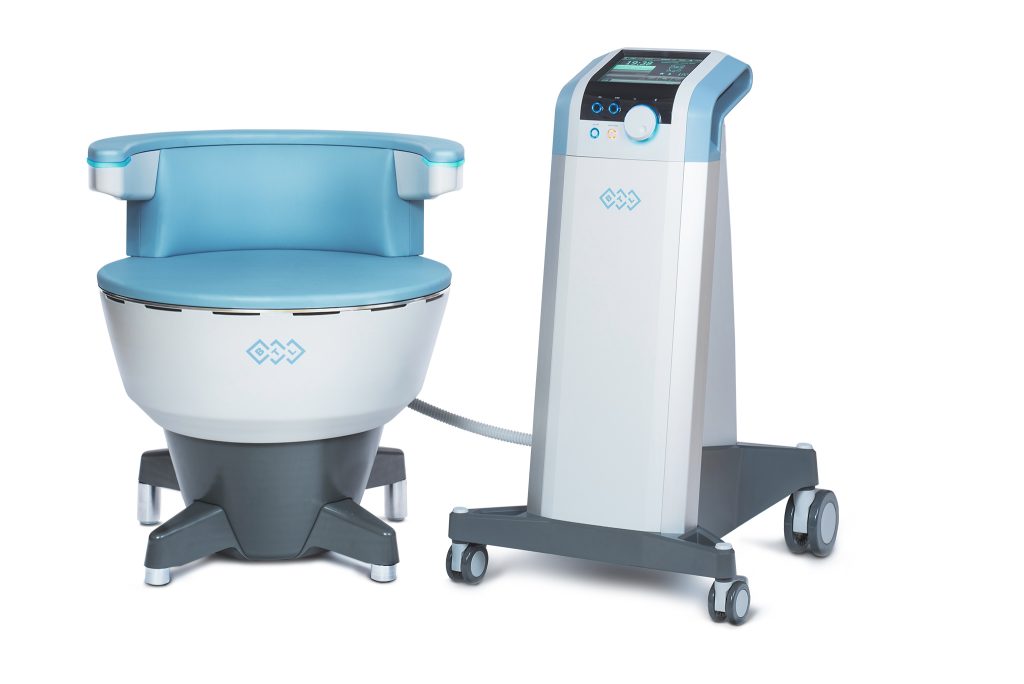
Utilizing our women’s health program in conjunction with our Emsella HIFEM pelvic floor rehabilitation chair, the combination of women’s bioidentical hormonal replacement therapy and pelvic floor muscle hypertrophy can radically change the comfort and wellness of women during perimenopause, menopause, and beyond.
Bioidentical hormone replacement therapy (BHRT) offers a targeted and personalized approach to managing hormonal imbalances that contribute to vaginal atrophy and pelvic floor dysfunction. BHRT uses hormones chemically identical to those produced by the human body, ensuring a natural and effective treatment option.
BHRT can help prevent vaginal atrophy by restoring estrogen levels, thereby maintaining the health and integrity of the vaginal tissues. By replenishing estrogen, BHRT helps to:
- Enhance Vaginal Lubrication: Improved lubrication reduces dryness, itching, and pain during intercourse, enhancing sexual health and comfort.
- Maintain Tissue Elasticity: Estrogen helps keep vaginal tissues thick and elastic, preventing thinning and fragility.
- Support Urinary Health: Adequate estrogen levels help maintain the health of the urinary tract, reducing the risk of urinary tract infections and other urinary issues.

Preventing Pelvic Floor Dysfunction with BHRT
BHRT also plays a significant role in supporting pelvic floor health by:
- Strengthening Pelvic Floor Muscles: Estrogen helps maintain muscle tone and strength, which is essential for supporting pelvic organs and preventing dysfunction.
- Reducing Symptoms of Prolapse: By enhancing the structural integrity of the pelvic floor, BHRT can help prevent and relieve symptoms of pelvic organ prolapse.
- Improving Bladder Control: Estrogen supports the function of the urethra and bladder, reducing symptoms of urinary incontinence.
Integrating BHRT into a Holistic Health Plan
BHRT should be part of a comprehensive health plan that includes lifestyle modifications and targeted therapies for optimal results. Regular pelvic floor exercise with our Emsella therapy can strengthen these crucial muscles, while a balanced diet and regular physical activity support overall health and hormonal balance.
Working with a healthcare provider specializing in women’s health is essential to tailor BHRT to your specific needs. Our physicians include a Harvard-trained, world-renowned expert on hormonal health and a leading regional expert in women’s health. This approach ensures that hormone levels are accurately monitored and adjusted, providing the best possible outcomes.

Pelvic Floor health and female incontinence
Female incontinence can be broadly categorized into stress incontinence, urge incontinence, and mixed incontinence. Stress incontinence occurs when physical activity or exertion, such as coughing or lifting, puts pressure on the bladder, leading to leakage. Urge incontinence, also known as overactive bladder (OAB), is characterized by a sudden, intense urge to urinate, often resulting in involuntary leakage. Mixed incontinence is a combination of both stress and urge incontinence.
Gemtessa: A Breakthrough in Overactive Bladder Treatment
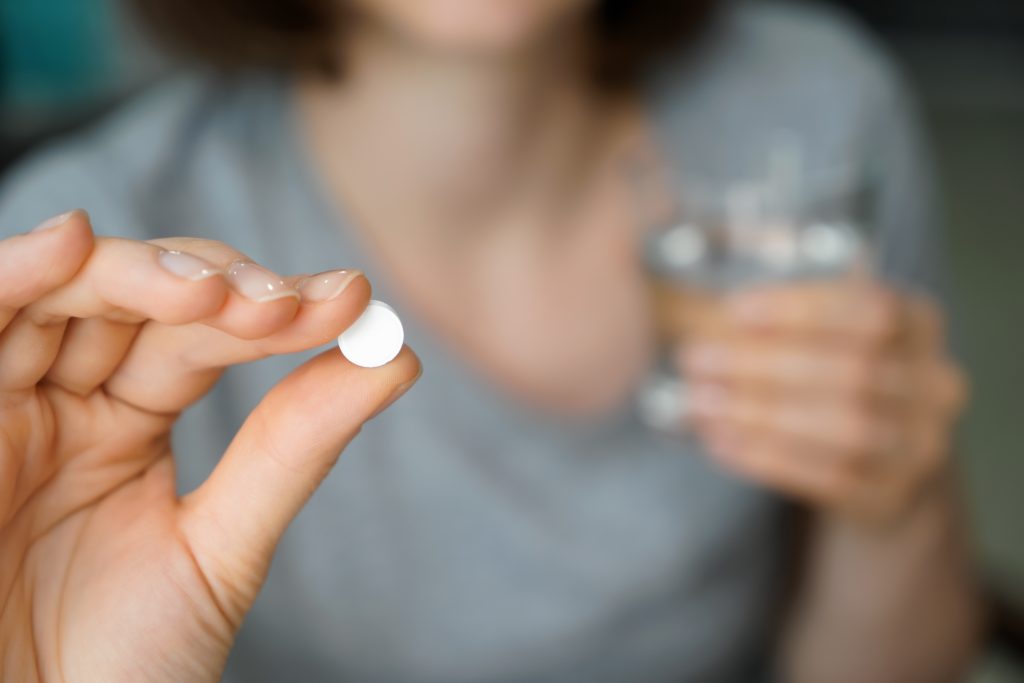
Gemtessa (vibegron) is an innovative medication specifically designed to treat overactive bladder (OAB). Approved by the FDA, Gemtessa works by selectively targeting the beta-3 adrenergic receptors in the bladder. This action relaxes the bladder muscles, increasing its storage capacity and reducing the frequency and urgency of urination.
Key Benefits of Gemtessa:
- Improved Bladder Control: By enhancing bladder relaxation, Gemtessa helps reduce the sudden urges to urinate that characterize OAB.
- Reduced Urinary Frequency: Patients often experience fewer trips to the bathroom, allowing them to lead a more normal and uninterrupted life.
- Minimal Side Effects: Gemtessa is well-tolerated by most patients, with fewer side effects compared to other OAB medications.
Gemtessa offers a promising solution for women suffering from OAB, providing significant symptom relief and improving overall quality of life. Many patients suffering from incontinence combine medication with BHRT or HIFEM Pelvic Floor Rehabilitation.
Neuromodulators: Regulating Bladder Function
Gemtessa (vibegron) is an innovative medication specifically designed to treat overactive bladder (OAB). Approved by the FDA, Gemtessa works by selectively targeting the beta-3 adrenergic receptors in the bladder. This action relaxes the bladder muscles, increasing its storage capacity and reducing the frequency and urgency of urination.
Key Benefits of Gemtessa:
- Improved Bladder Control: By enhancing bladder relaxation, Gemtessa helps reduce the sudden urges to urinate that characterize OAB.
- Reduced Urinary Frequency: Patients often experience fewer trips to the bathroom, allowing them to lead a more normal and uninterrupted life.
- Minimal Side Effects: Gemtessa is well-tolerated by most patients, with fewer side effects compared to other OAB medications.
Gemtessa offers a promising solution for women suffering from OAB, providing significant symptom relief and improving overall quality of life. Many patients suffering from incontinence combine medication with BHRT or HIFEM Pelvic Floor Rehabilitation.
Percutaneous Tibial Nerve Stimulation (PTNS)
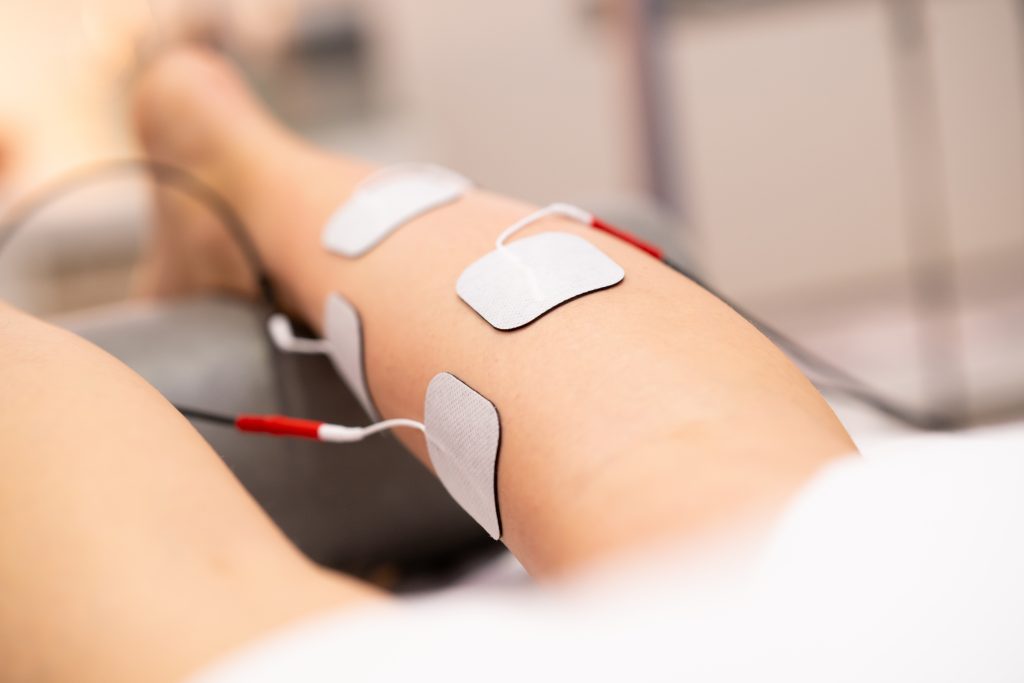
PTNS is a less invasive option than SNS and involves inserting a thin needle near the ankle to stimulate the tibial nerve. This nerve indirectly influences the bladder, helping to improve bladder control and reduce urinary urgency and frequency.
Benefits of PTNS:
- Non-surgical treatment
- Minimal discomfort
- Effective for various types of incontinence
Other Non-Invasive Options for Female Incontinence
In addition to Gemtessa and neuromodulators, several other non-invasive treatments can help manage female incontinence:
Hifem pelvic floor exercises
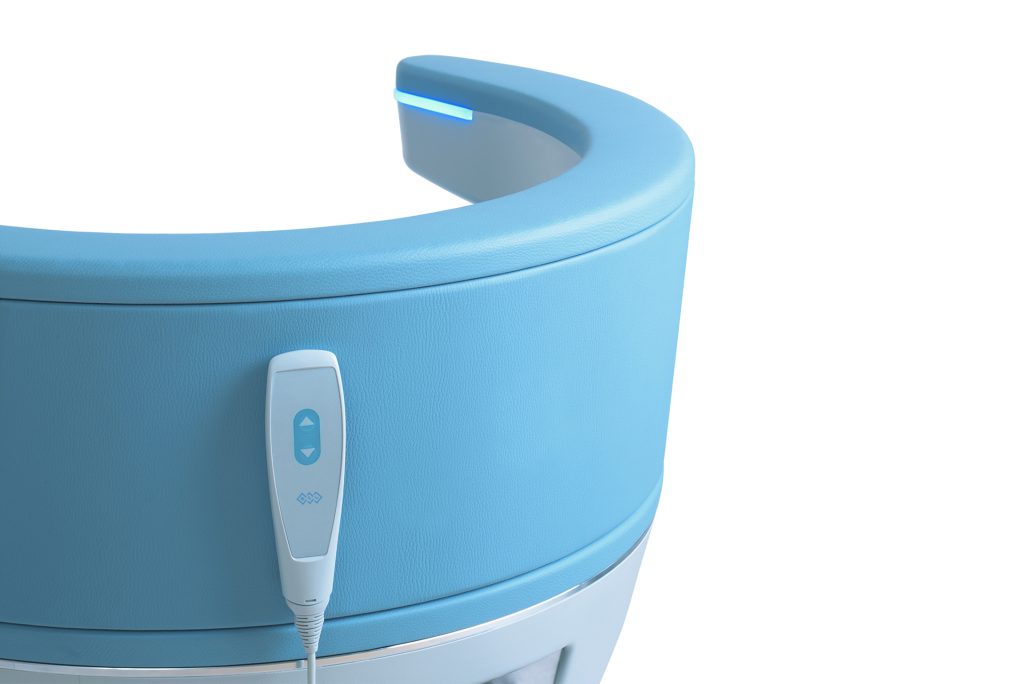
Pelvic floor exercises, commonly known as Kegels, strengthen the muscles that support the bladder and urethra. Our EMSELLA Pelvic Floor Rehabilitation program delivers between 11,000 and 12,000 Kegels in a thirty-minute session painlessly, resulting in quicker and more profound results than doing Kegels on your own. After six sessions, most patients report a dramatic increase in quality of life.

Lifestyle modifications
Certain lifestyle changes can also help manage incontinence. These include maintaining a healthy weight, avoiding bladder irritants (such as caffeine and alcohol), and quitting smoking. Because obesity can pose such a challenge to the wellness of incontinent patients, we offer a medical weight loss program to improve overall health and support a patient’s pelvic floor health.

Start Your Pelvic Health Journey
Ready to regain control and improve your quality of life? Schedule a consultation with our team today and we can develop a treatment plan that is right for you.
SOURCES:
DISCLAIMER
*By submitting this form you agree to be contacted by Metrowest Medical Wellness and receive marketing messages via phone, text or email. You can unsubscribe from these communications at any time. We commit to protecting and respecting your privacy. For more information, please review our Privacy Policy